
Understanding Sports Broadcasting Fundamentals
What is Sports Broadcasting?
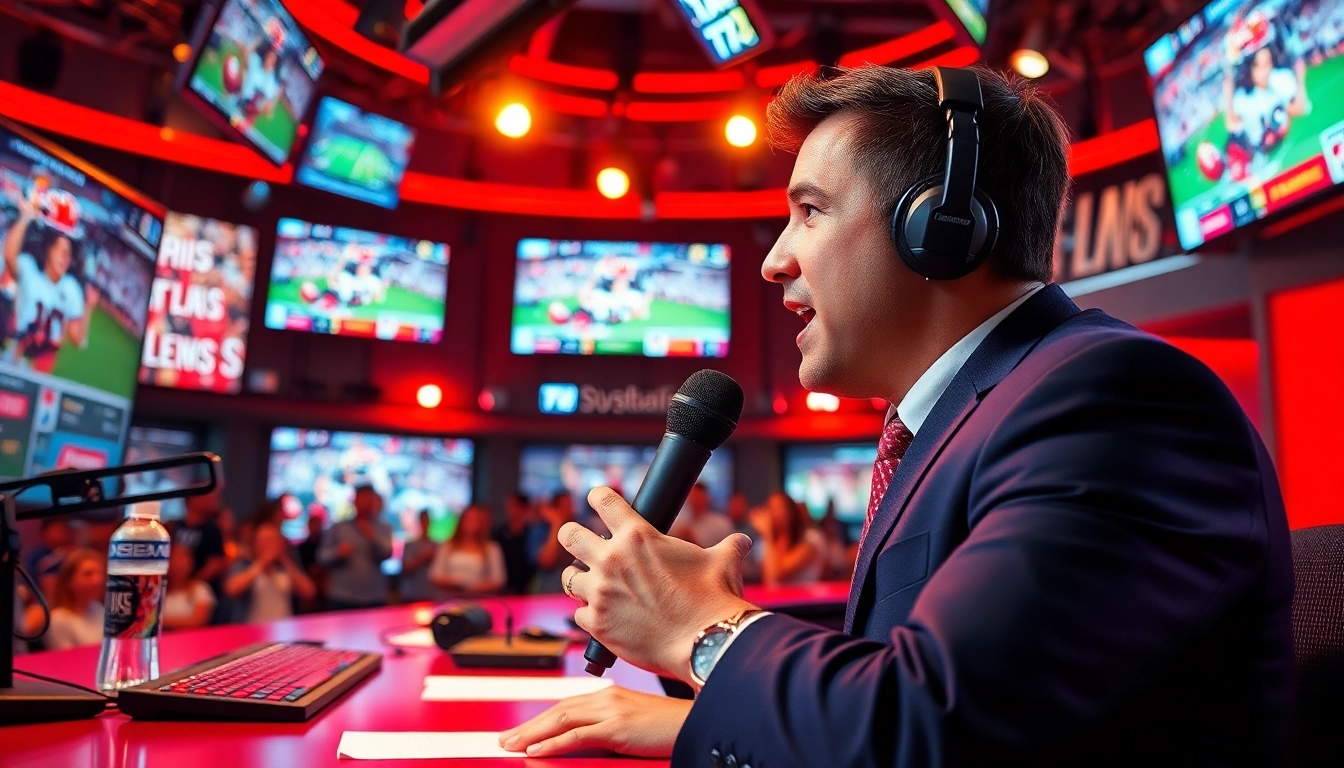
Sports broadcasting is the professional transmission of sporting events through various media, including television, radio, and digital platforms. It plays a vital role in connecting fans with their favorite sports and athletes. By providing live commentary, highlights, and analyses, sports broadcasting enhances the viewing experience and engages audiences worldwide. A crucial aspect of the industry, Sports Broadcasting serves as a bridge between teams and fans, offering them insights into games and fostering a shared passion for sports.
The Evolution of Sports Broadcasting
The journey of sports broadcasting began in the early 20th century with radio broadcasts of major events. The advent of television in the 1950s transformed how fans experienced sports, allowing them to witness games in their living rooms. Cable networks further revolutionized the industry by offering dedicated sports channels, creating an ongoing demand for sports content. The rise of the internet and mobile technology has now expanded this landscape, enabling streaming services and online platforms to deliver sports content to millions across various devices, catering to the changing preferences of audiences.
Key Technologies in Sports Broadcasting
Sports broadcasting employs a variety of advanced technologies to deliver high-quality content. Standard Definition (SD) was the norm for decades, but the shift to High Definition (HD) significantly improved visual clarity. Today, technologies such as 4K Ultra HD and 8K are pushing boundaries further. Additionally, drones are increasingly used to capture aerial footage, adding a unique perspective to broadcasts. The integration of augmented reality (AR) enhances viewer engagement, allowing fans to see stats and graphics overlaying the action live. Innovations like virtual reality (VR) are even redefining how fans experience games, transporting them virtually into the sports world.
Strategies for Increased Audience Engagement
Building a Connection with Viewers
Establishing a strong connection with viewers is crucial for long-term success in sports broadcasting. Personalizing content based on viewer preferences enhances engagement. Broadcasters can leverage data analytics to understand audience demographics, viewing habits, and interactions. Creating relatable content, such as player interviews, behind-the-scenes footage, and fan-generated stories fosters a sense of belonging among viewers and instills loyalty toward their broadcasts.
Utilizing Social Media and Streaming
Social media platforms serve as powerful tools for engaging audiences by promoting content, generating discussions, and fostering a community around sports. Real-time updates, live Q&A sessions with athletes, and fan polls can be shared to keep audiences involved. Furthermore, live streaming of events on social media platforms allows broadcasters to reach wider audiences, especially younger generations who prefer watching on mobile devices. Incorporating user-generated content on these platforms enhances viewer participation and loyalty.
Creating Interactive Content for Fans
Interactive content can significantly heighten viewer engagement during live events. Incorporating trivia games, polls, and fantasy leagues allows fans to interact with broadcasts actively. This kind of engagement not only keeps viewers glued to the screen but also increases their investment in the event. Interactive apps can also provide in-depth analysis or real-time updates, further enriching the viewing experience and encouraging fans to stay connected even after the game ends.
Best Practices in Sports Broadcasting Production
Preparing for Live Sports Events
Successful sports broadcasts require meticulous planning and preparation. Pre-event meetings involving production teams, directors, and on-air talent ensure that everyone is aligned on the broadcast's goals. Scripts and shot lists should be prepared ahead of time, detailing key moments to capture, transitions, and graphics to display. Scheduling rehearsals allows for technical adjustments and fine-tuning, ensuring that the broadcast runs smoothly. Establishing contingency plans for technical issues or unexpected events is also essential.
Essential Equipment for High-Quality Broadcasts
The quality of a sports broadcast heavily depends on the equipment used. High-definition cameras are requisite for capturing sharp images, and multiple camera angles provide diverse perspectives of on-field action. Audio equipment, including microphones for commentators and sound mixers, ensures clarity of commentary and crowd ambiance. In addition, reliable broadcasting software and hardware enable seamless transitions between segments, graphics, and highlights during the live feed, contributing to a polished final product.
Importance of Sound and Visuals
Sound and visuals are integral elements of sports broadcasts. Viewers rely on commentators for play-by-play descriptions and analyses that enhance their understanding of the game. High-quality visuals capture the excitement and intensity, immersing fans in the experience. Furthermore, including varied camera angles and close-ups of critical moments adds dramatic effect, keeping audiences on the edge of their seats. Ultimately, the perfect interplay of sound and visuals can create a captivating atmosphere that resonates with viewers long after the event concludes.
Analyzing Audience Metrics and Feedback
Using Analytics Tools for Performance Insights
Analytics is a vital component for optimizing sports broadcasts. Utilizing comprehensive data analytics tools helps broadcasters track viewership numbers, engagement rates, and demographic information. This data can inform strategic decisions, such as adjusting programming schedules to cater to peak viewer times or identifying content that resonates best with audiences. Surveys and feedback forms post-broadcast provide qualitative insights into viewer experiences, helping refine future broadcasts for better engagement.
Adjusting Strategies Based on Viewer Feedback
Responsive adaptation to viewer feedback can significantly enhance audience satisfaction. By prioritizing viewer suggestions, broadcasters can adjust content presentation, format, or features based on what resonates best with their audience. Open communication channels such as social media feedback and fan surveys foster a sense of involvement among viewers, encouraging them to return for more content knowing their opinions matter.
Tracking Viewer Trends and Preferences
Staying informed about evolving viewer trends and viewing preferences is crucial in the fast-paced landscape of sports broadcasting. Analyzing social media interactions and monitoring shifts in viewer demographics can provide insights into the types of content that attract audiences. Incorporating innovative storytelling techniques or leveraging trending topics can help broadcasters maintain relevance and keep their content fresh and exciting. Being proactive in adapting to trends positions broadcasters at the forefront of viewer engagement strategies.
Future Trends in Sports Broadcasting
Impact of Emerging Technologies
The future of sports broadcasting is likely to be shaped by myriad emerging technologies. Artificial Intelligence (AI) is poised to revolutionize content curation and delivery, personalizing viewer experiences based on preferences. Additionally, advancements in 5G technology are expected to enhance streaming quality, enabling real-time data analytics during live events. The use of virtual and augmented reality may create immersive viewing experiences, allowing fans to experience games from their homes as if they were on-site.
Changing Viewership Habits
Viewership habits are shifting, with younger generations favoring on-demand, online content over traditional television broadcasts. Subscription-based streaming services are gaining popularity as fans seek flexible viewing options. As cord-cutting becomes more prevalent, sports broadcasters need to adapt by exploring partnerships with streaming platforms or developing their own digital services to retain audiences and provide content that aligns with new viewing preferences.
The Rise of Esports Broadcasting
Esports broadcasting has witnessed exponential growth, attracting millions of viewers and rivaling traditional sports in popularity. The community-driven nature of esports fosters engagement through interactive streaming platforms and live chat features. Understanding this growing segment allows traditional sports broadcasters to tap into new demographics and integrate esports into their programming strategy. Brands can leverage this crossover by sponsoring events or collaborating with esports influencers and players.
Frequently Asked Questions
What is the importance of audience engagement in sports broadcasting?
Audience engagement enhances viewer loyalty and keeps fans connected, resulting in higher ratings and more revenue through advertising and partnerships.
How have technologies changed sports broadcasting?
Emerging technologies like HD, AR, and AI have significantly improved viewer experiences by enhancing visuals, interactivity, and personalization in broadcasts.
What role does social media play in sports broadcasting?
Social media allows broadcasters to connect with fans in real-time, promote content, and create communities around sports, increasing overall engagement.
How can analytics be used effectively in sports broadcasting?
Analytics helps broadcasters track viewership patterns, adapt strategies, and enhance content presentation based on data-driven insights from audiences.
What are the future trends in sports broadcasting?
The future trends include the rise of 5G technology, immersive viewing experiences, and the continued growth of esports broadcasting in mainstream media.